Building Resilience in Early Childhood Through Outdoor Learning
Resilience is one of the most valuable tools we can give children, and early childhood is where the foundation is set. When young learners encounter obstacles—whether physical, emotional, or social—in a supportive and loving environment, they begin to develop the skills to navigate life’s challenges with confidence. Outdoor learning is a natural place for this growth to happen. Nature presents challenges that require children to think, adapt, and persist—a muddy trail, a wobbly log, a difficult climb, or even the frustration of building something that keeps falling apart. But in these moments, something incredible happens: obstacles become opportunities.
The Power of Overcoming
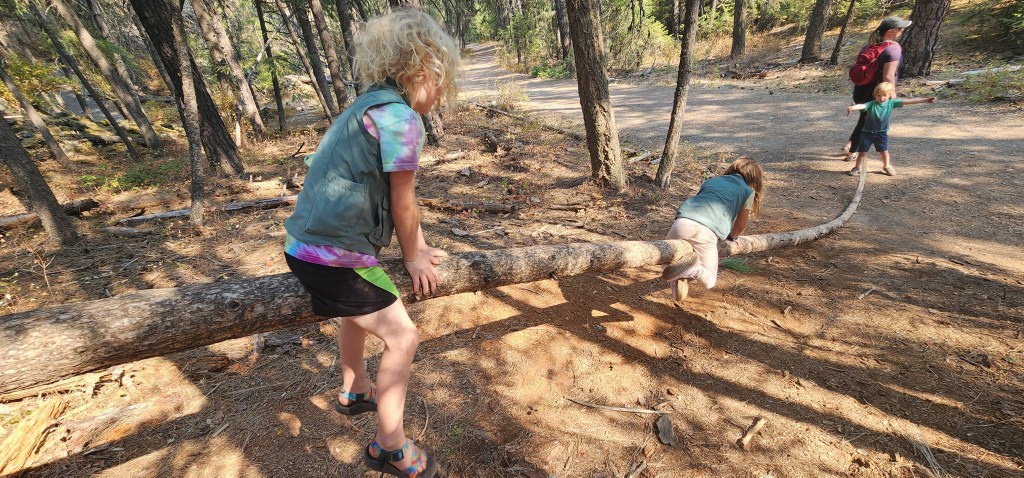
Children who regularly engage in outdoor play face small, manageable challenges that help them develop problem-solving skills, emotional regulation, and perseverance. When they struggle to balance on a log, they’re not just working on motor skills—they’re learning to trust themselves and keep going, even after a slip. When they build a shelter from sticks that collapses, they’re not just playing—they’re experimenting, adapting, and trying again. These moments, as simple as they seem, are the building blocks of resilience.
But resilience doesn’t happen by accident. It requires a safe, nurturing environment where children feel supported, where mistakes aren’t failures but stepping stones, and where encouragement replaces discouragement. As educators and caregivers, we play a critical role in shaping how children respond to challenges. This is why positive reinforcement is so important in early learning. A simple “I see you working so hard on that!” or “That was tricky, but you didn’t give up!” shifts a child’s mindset from fear of failure to excitement for growth.
Activities That Build Resilience
Outdoor learning provides endless opportunities to help children build resilience in meaningful ways:
- Risky Play in a Safe Environment – Climbing trees, balancing on logs, and navigating uneven terrain all teach children to assess risk, challenge their abilities, and build confidence.
- Problem-Solving Games – Nature scavenger hunts, follow the leader, and group hikes encourage teamwork, critical thinking, and perseverance.
- Weathering the Elements – Learning to be outside in different weather teaches adaptability and helps children develop comfort with discomfort. A little rain doesn’t mean the fun stops—it means we put on our boots and discover how puddles transform the landscape!
- Reflecting on Challenges – Encouraging children to talk about obstacles they’ve faced (whether it’s climbing a rock or resolving a conflict) helps them process experiences and recognize their own growth.
Learning Alongside the Little Ones
Supporting resilience in young children has also taught me so much about myself. It’s not always easy, and I make mistakes all the time. There are days when I want to jump in too quickly, to fix things instead of letting children struggle just long enough to find a solution. But when I take a step back, when I give them space, I see the magic happen. I see children realize their own strength. I see them cheer for each other. I see them fail and try again—and succeed.
Children remind me daily that obstacles are not just things that stand in our way. They are opportunities to grow, to learn, and to become stronger together. And in this journey of resilience, I am just as much a student as I am a teacher.
 Riverside Forest School
Leave a comment